
In Karachi's bustling tech hub, staying informed is vital for smartphone buyers. Phone performa.......
phones
Phones: An In-Depth Exploration of a Transformative Technology
Introduction
In our increasingly interconnected world, phones have emerged as indispensable tools that transcend mere communication devices. They have evolved from simple gadgets to versatile smartphones, becoming an integral part of daily life, business operations, and global interactions. This comprehensive article aims to unravel the multifaceted nature of phones, tracing their historical journey, global impact, economic significance, technological advancements, regulatory frameworks, challenges, and the promising future that lies ahead. By delving into these aspects, we will gain a holistic understanding of how phones continue to shape our society and propel us into an era of digital innovation.
Understanding Phones: Unlocking the Core Components and Historical Context
Definition: Phones, in its broadest sense, refer to devices used for communication over long distances, enabling voice transmission through various technologies. Modern phones, commonly known as smartphones, are advanced mobile computing devices that facilitate not only voice calls but also data transfer, internet access, multimedia consumption, and a myriad of applications.
Core Components: A smartphone consists of several key components:
-
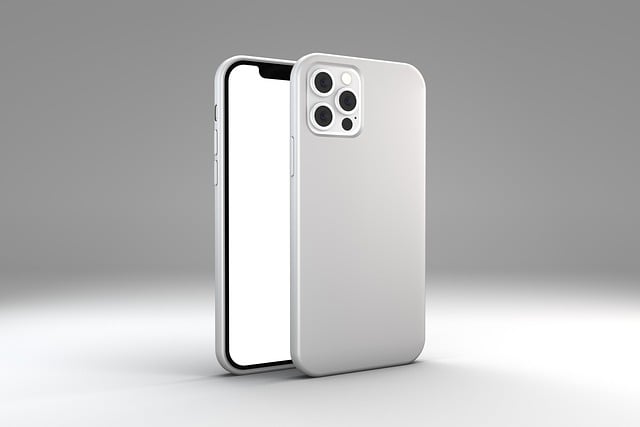
Hardware: Includes the physical structure, display, processors, memory, storage, cameras, sensors, and batteries. For example, Apple’s iPhone features its custom-designed A-series chips, known for their high performance and power efficiency.
-
Software: Operating systems like iOS (Apple) or Android power these devices, providing a user interface, application ecosystem, and security protocols. Regular software updates enhance functionality and address vulnerabilities.
-
Connectivity: Phones support various connectivity options such as cellular networks (4G, 5G), Wi-Fi, Bluetooth, NFC (Near Field Communication), enabling seamless data exchange and internet access.
Historical Journey: The concept of phones dates back to the late 19th century with the invention of the telephone by Alexander Graham Bell in 1876. This groundbreaking invention revolutionized communication, allowing voice transmission over wires. Over time, phones evolved from landlines to mobile phones, driven by technological advancements and changing user needs. The introduction of smartphones in the early 2000s marked a significant turning point, transforming phones into multifunctional devices that blended telephony with computing capabilities.
Global Impact and Trends: A Digital Revolution on Multiple Fronts
Phones have left an indelible mark on the global landscape, fostering connectivity, enabling economic growth, and shaping social interactions across diverse regions.
International Influence:
-
North America and Europe: These regions were early adopters of smartphone technology, with robust telecom infrastructure and advanced digital economies. Countries like the United States and the UK have seen significant mobile penetration, leading to widespread digital transformation in various sectors.
-
Asia Pacific: A hub of technological innovation, countries like China and South Korea have driven global smartphone sales and 5G adoption. China’s massive domestic market and government support for tech development have made it a global leader in phone manufacturing and network infrastructure.
-
Emerging Markets: Phones have played a pivotal role in bridging the digital divide in developing nations. In Sub-Saharan Africa, mobile networks provide access to communication and financial services to remote communities, fostering economic growth and social inclusion. India has seen rapid smartphone penetration, democratizing access to internet and digital services.
Key Global Trends:
-
Increasing Smartphone Penetration: The number of smartphone users worldwide surpassed 6 billion in 2022, representing over 80% of the global population (Statista). This growth is driven by falling device prices, improved network coverage, and government initiatives to promote digital literacy.
-
5G Rollout: The fifth generation of mobile networks promises faster speeds, lower latency, and enhanced capacity, enabling advanced applications like augmented reality (AR), virtual reality (VR), and the Internet of Things (IoT). Global telecom operators are investing heavily in 5G infrastructure, with Asia and North America leading the way.
-
Mobile Payment Systems: Phones have revolutionized how people make payments, with mobile wallets and contactless payments gaining traction worldwide. This trend is particularly prominent in regions like China and Africa, where mobile money transfer services have become integral to daily transactions.
Economic Considerations: A Digital Engine Driving Global Growth
The phone industry’s economic impact is profound, influencing various sectors, from manufacturing and telecom to consumer spending and digital services.
Market Dynamics:
-
Global Market Size: The global smartphone market revenue reached $943 billion in 2021 (Counterpoint Research). Leading manufacturers include Apple, Samsung, Xiaomi, Huawei, and OPPO, each capturing significant market share.
-
Supply Chain: Phone manufacturing involves a complex global supply chain, with components sourced from various countries. This includes display panels from South Korea and Taiwan, processors from the US and Japan, memory chips from multiple nations, and assembly in China, Vietnam, or other locations.
Investment Patterns:
-
Telecom Infrastructure: Governments and telecom operators invest heavily in network infrastructure to support growing data demands. 5G deployment is a significant area of focus, with substantial investments expected over the next few years.
-
Research and Development (R&D): Tech companies allocate considerable resources to R&D, driving innovation in hardware, software, and connectivity technologies. For instance, Apple’s annual budget for R&D often exceeds $15 billion.
Role in Economic Systems:
-
Job Creation: The phone industry supports millions of jobs globally, including manufacturing, design, marketing, and service sectors.
-
Digital Services: Phones have fueled the growth of digital services and e-commerce, as users increasingly conduct transactions, stream content, and access online entertainment via their mobile devices.
Technological Advancements: Shaping the Future of Connectivity
Phones have been at the forefront of technological innovation, with continuous improvements in hardware, software, and connectivity features that enhance user experiences and open doors to new possibilities.
Significance of Advancements:
-
Display Technology: Phones now feature high-resolution OLED or AMOLED displays, offering vibrant colors, deep blacks, and slim designs. Foldable screens and multi-screen setups are emerging trends, providing larger viewports for enhanced multimedia experiences.
-
Camera Systems: Modern smartphones boast advanced camera systems with multiple lenses, optical image stabilization, and AI-powered image processing. Features like night mode, portrait mode, and 4K video recording have elevated mobile photography to professional levels.
-
Connectivity Evolution: The transition from 4G LTE to 5G has brought about dramatic improvements in network speed and latency, enabling real-time applications and high-quality streaming. Beyond 5G, research focuses on 6G, promising even faster speeds and lower latency for the future.
Future Potential:
-
Artificial Intelligence (AI) Integration: AI is set to play a pivotal role in phones, enhancing personalized experiences, improving camera performance through computational photography, and enabling more intuitive user interactions. Virtual assistants powered by AI are becoming more sophisticated, understanding natural language queries.
-
Edge Computing: This technology brings computation closer to the data source, reducing latency and enabling real-time processing on phones. Edge computing has applications in AR, VR, and IoT, enhancing phone capabilities for immersive experiences and smart devices.
-
Quantum Computing: While still in its nascent stages, quantum computing could revolutionize phone capabilities, offering unprecedented computational power for complex tasks like advanced encryption, AI training, and data analysis.
Policy and Regulation: Navigating the Legal Landscape
The rapid evolution of phones has prompted governments and regulatory bodies worldwide to establish policies and frameworks that address privacy, security, competition, and consumer protection concerns.
Key Policies and Regulations:
-
Data Privacy Laws: Regulations like GDPR in Europe, CCPA in California, and various data protection acts worldwide mandate how companies can collect, store, and use user data. These laws aim to protect individual privacy and give users control over their personal information.
-
Competition Policy: Antitrust laws and competition policies ensure fair market practices among phone manufacturers, telecom operators, and app stores. They prevent monopolies and promote innovation by fostering a competitive environment.
-
Spectrum Allocation: Governments regulate the allocation of wireless spectrum to ensure efficient use and avoid interference. This is critical for network deployment and 5G rollout, as telcos require substantial spectrum for high-speed data transmission.
Influencing Phone Development and User Experience:
-
Data Security Standards: Regulatory requirements drive phone manufacturers to implement robust security measures, protecting user data from unauthorized access or breaches. Encryption technologies and secure boot processes are common implementations.
-
App Store Regulations: App stores, such as Apple’s App Store and Google Play, operate under strict guidelines that ensure the quality, safety, and privacy of applications. These rules impact phone users’ access to apps and the overall ecosystem.
-
Network Neutrality: This concept ensures that internet service providers treat all data on their networks equally, without discrimination or prioritization. Network neutrality regulations influence how phone networks operate and manage traffic.
Challenges and Criticisms: Overcoming Barriers for Sustainable Growth
Despite its transformative impact, the phone industry faces several challenges and criticisms that require careful consideration and strategic responses.
Main Challenges:
-
Privacy Concerns: With vast amounts of user data being collected and stored on phones, ensuring privacy has become a significant challenge. Data breaches, tracking practices, and unauthorized access raise serious concerns.
-
E-waste Management: The rapid pace of phone upgrades contributes to electronic waste (e-waste) generation. Responsible disposal and recycling of old devices are essential to mitigate environmental impacts.
-
Digital Divide: Despite global progress, the digital divide persists, with unequal access to phones and internet services in certain regions, hindering social and economic development.
Criticisms and Potential Solutions:
-
High Costs: Phones, especially premium models, are often criticized for being expensive. To address this, manufacturers can promote more affordable options, encourage trade-ins, and offer flexible financing plans to make smartphones more accessible.
-
Dependency and Addiction: Critics argue that phones contribute to excessive screen time and digital addiction. Developers could implement features to promote healthy habits, such as screen time limits, app usage tracking, and digital well-being tools.
-
Security Vulnerabilities: As phones become more connected, they face evolving security threats. Regular software updates, strong encryption, and user education on cybersecurity best practices can enhance device security.
Case Studies: Real-World Applications and Lessons Learned
Case Study 1: M-Pesa in Kenya
M-Pesa, a mobile money transfer service launched in Kenya in 2007, has become a global success story. It allows users to send and receive money via mobile phones, providing a secure and convenient alternative to traditional banking services. M-Pesa’s impact in Kenya is profound:
-
Financial Inclusion: Over 80% of the adult population in Kenya uses M-Pesa, facilitating billions of transactions annually. This has increased financial inclusion, empowering unbanked individuals to participate in the digital economy.
-
Economic Growth: M-Pesa has fostered a thriving ecosystem of small businesses that rely on it for daily transactions. It has also facilitated remittances, contributing significantly to the country’s economy.
Lessons Learned:
-
Simplify User Experience: M-Pesa’s success lies in its simplicity and ease of use, making financial services accessible even to those with limited digital literacy.
-
Build Local Trust: Understanding local cultural norms and building trust within communities is crucial for the adoption and success of mobile money services.
Case Study 2: Contact Tracing Apps During COVID-19
During the COVID-19 pandemic, contact tracing apps emerged as a critical tool to combat the spread of the virus. These apps used phone location data and Bluetooth technology to notify users if they had been in close proximity to an infected individual.
-
Global Adoption: Over 70 countries developed and deployed contact tracing apps, with varying degrees of success. The most notable examples include TraceLocation (Singapore), COVIDSafe (Australia), and NHS Contact Tracing (UK).
-
Privacy Concerns: While these apps aimed to protect public health, they sparked debates about user privacy. Some apps faced criticism for excessive data collection and potential misuse of personal information.
Lessons Learned:
-
Balance Privacy and Public Health: Striking a balance between protecting user privacy and facilitating contact tracing is essential for gaining public trust and ensuring the effectiveness of such apps.
-
Community Engagement: Successful implementation requires active participation from users, who must download and actively use the apps to be effective in containing the virus.
Future Prospects: Navigating an Evolving Landscape
The phone industry stands at a crossroads, poised for further transformation as emerging technologies converge and new trends take shape.
Potential Growth Areas:
-
5G and Beyond: The rollout of 5G networks will unlock new possibilities, enabling advanced applications like augmented reality, virtual reality, and the Internet of Things (IoT). Phones will become gateways to immersive experiences and smart device ecosystems.
-
AI Integration: Artificial intelligence will permeate every aspect of phones, from personalized assistants to enhanced camera capabilities and predictive analytics. AI-powered chatbots and virtual assistants are expected to become more sophisticated, offering intuitive user interactions.
-
Flexible and Foldable Displays: Flexible screens and foldable designs will redefine phone form factors, providing larger display areas without increasing device size or weight. This trend is already gaining traction with leading manufacturers like Samsung and Xiaomi.
Emerging Trends:
-
Edge Computing: As mentioned earlier, edge computing will play a pivotal role in enabling real-time applications, AR/VR experiences, and IoT connectivity on phones.
-
Quantum Computing: While still in its early stages, quantum computing could revolutionize phone capabilities, offering unprecedented computational power for complex tasks and secure data processing.
-
Biometric Authentication: Beyond traditional passcodes and fingerprints, biometric technologies like facial recognition, iris scanning, and vascular patterns will enhance device security and user experiences.
Strategic Considerations:
-
Sustainability: With e-waste management as a pressing issue, phone manufacturers should focus on sustainable production practices, including using eco-friendly materials and promoting responsible recycling programs.
-
Digital Literacy: Ensuring digital literacy among users is crucial for them to benefit fully from the advanced capabilities of their phones, especially as technologies evolve rapidly.
-
Privacy and Security: As phones become more connected and capable, robust privacy and security measures will be essential to protect user data and maintain public trust.
Conclusion: A Technological Pillar Shaping Our World
Phones have transcended their initial purpose as communication tools to become versatile devices that touch nearly every aspect of modern life. From driving economic growth and fostering global connections to transforming industries and enhancing personal experiences, phones have left an indelible mark on the world.
As technology continues to advance at a rapid pace, the phone industry must navigate challenges related to privacy, security, sustainability, and digital literacy while embracing new opportunities presented by emerging technologies. The future of phones promises exciting possibilities, from immersive augmented reality experiences to powerful quantum computing capabilities.
In conclusion, phones are not just devices; they are catalysts for innovation, enablers of progress, and companions on our journey into a more connected world. Understanding their impact, addressing challenges, and shaping a sustainable future will be crucial in the years ahead.

In Karachi's vibrant digital landscape, choosing the "best phones" requires understan.......

The phone design landscape in Karachi has undergone significant changes driven by consumer demand fo.......

In vibrant Karachi, capturing moments demands powerful cameras, swift processors, and long-lasting b.......
Karachi, Pakistan's economic hub, boasts a vibrant mobile industry characterized by cultural di.......

In dynamic Karachi, tech-savvy residents have access to a vibrant market offering diverse phone opti.......

Karachi's smartphone market is a dynamic hub, catering to diverse consumer preferences with a m.......
The evolution of phone cameras in Karachi has transformed everyday moments into art, with advanced s.......

Karachi, Pakistan's financial hub, boasts a thriving mobile market showcasing global smartphone.......

Karachi, Pakistan's financial and cultural hub, boasts a vibrant phone market reflecting its dy.......